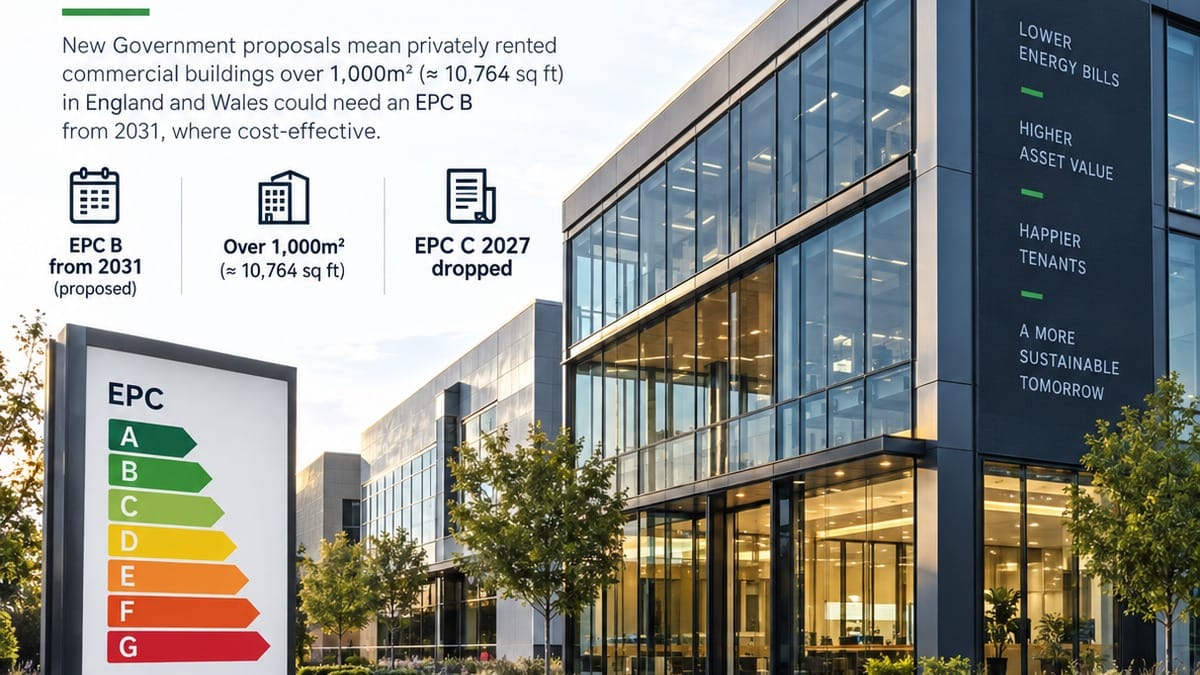
Commercial EPC rules are changing. See which large privately rented buildings could need EPC B from 2031, the 1,000m² threshold, current MEES rules, exemptions and penalties.

Author: Toufik Beladi
Do HMOs Need an EPC in 2026? Room Lets, Shared Houses and New Rules

Whether an HMO needs an EPC currently depends partly on how the property is let. If the whole HMO is rented under a single tenancy, an EPC is generally required. Where individual rooms are let separately and tenants share facilities, the current position can be different. However, the Government has confirmed plans to change the… Continue reading Do HMOs Need an EPC in 2026? Room Lets, Shared Houses and New Rules
Do I Need a New EPC After Renovations or Improvements?

Renovating your property does not automatically mean that you need to replace a valid EPC. However, your existing certificate will not automatically update when you install a new boiler, insulation, double glazing, solar panels or other energy-efficiency improvements. A new EPC assessment can show the property’s current energy performance and may be particularly important before… Continue reading Do I Need a New EPC After Renovations or Improvements?
Do Listed Buildings Need an EPC? Grade II Exemptions and Conservation Area Rules
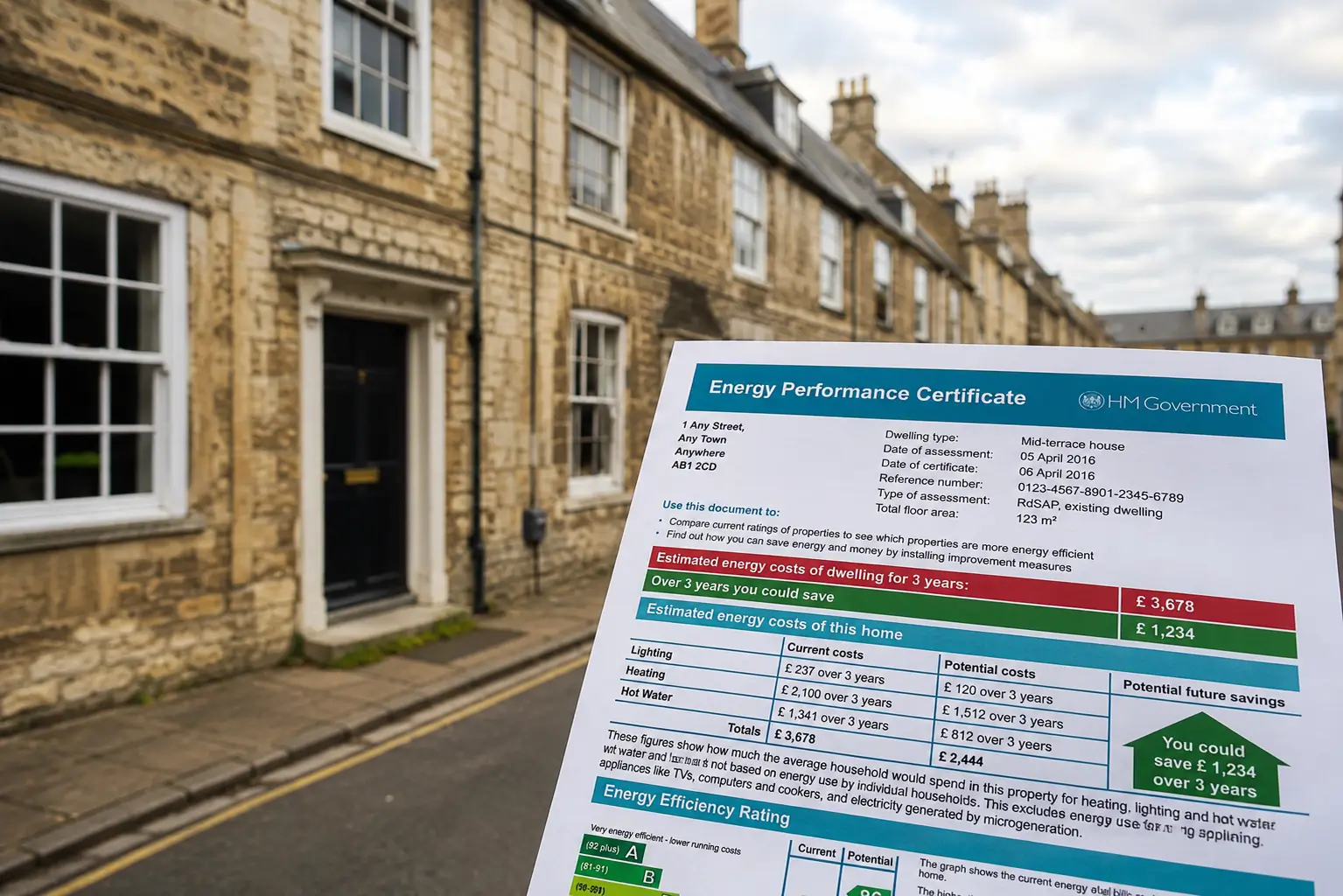
Owning, selling or letting a listed property can be confusing enough without conflicting advice about Energy Performance Certificates. Some owners are told: “Listed buildings are automatically exempt from EPCs.” Others are told they must obtain an EPC before an estate agent can market the property. Neither statement is reliable in every case. A listed building… Continue reading Do Listed Buildings Need an EPC? Grade II Exemptions and Conservation Area Rules
Government EPC Reforms: What Commercial Property Owners Need to Know in 2026
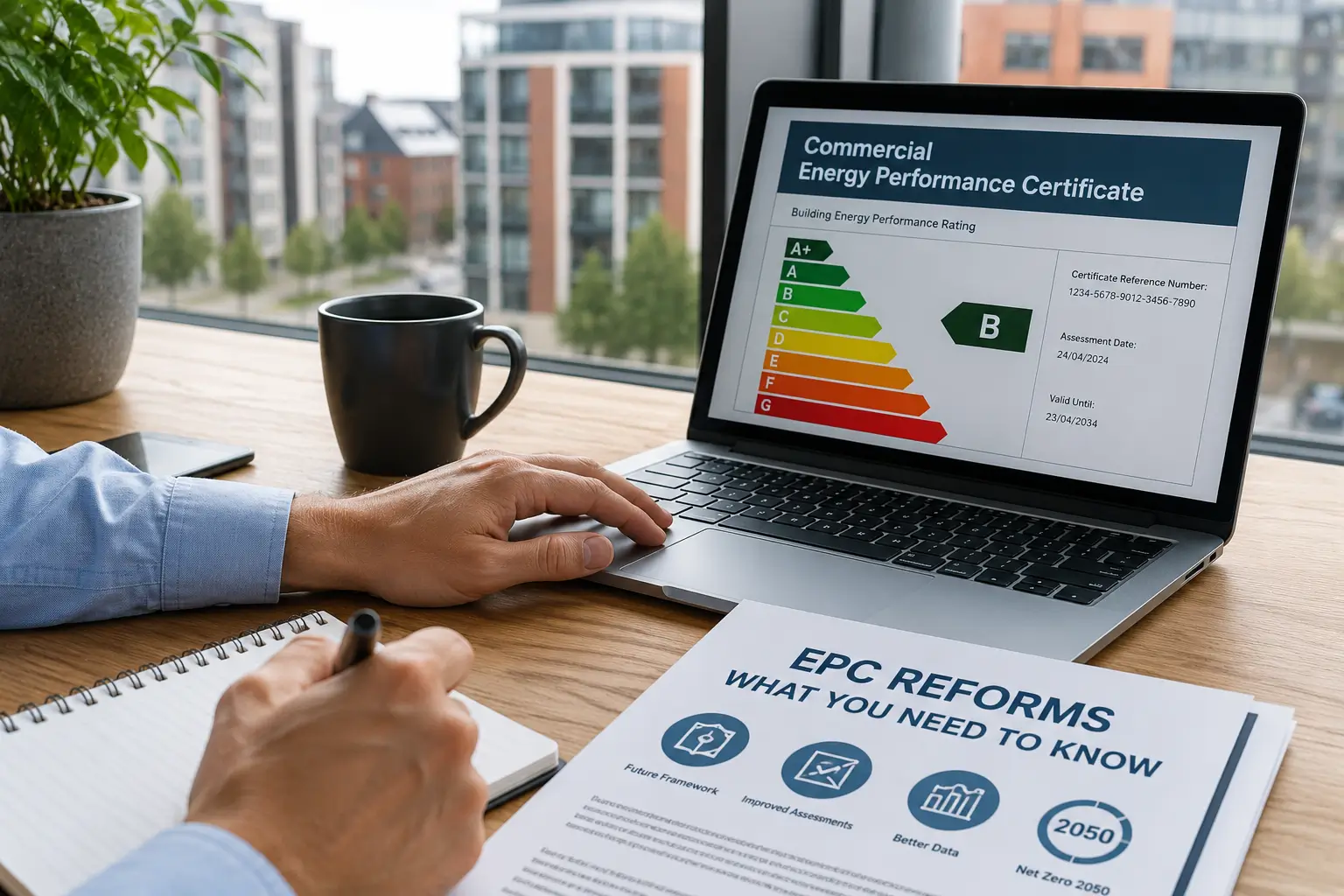
If you own, let or manage commercial property, you’ve probably seen reports that the Government has delayed planned changes to Energy Performance Certificates (EPCs). That has left many landlords asking: Do I still need a Commercial EPC? Have the EPC rules changed? Are MEES regulations still in force? Should I wait before getting a new… Continue reading Government EPC Reforms: What Commercial Property Owners Need to Know in 2026
Commercial EPC During a Property Sale: Who Pays and When Is It Needed?

If you’re selling a commercial property, one question often appears early in the transaction: Do I need a Commercial EPC before selling? Another common question follows: Who pays for the Commercial EPC — the seller or the buyer? These issues often arise when: selling an office disposing of a retail unit marketing a warehouse transferring… Continue reading Commercial EPC During a Property Sale: Who Pays and When Is It Needed?
Commercial EPC Exemptions Explained: When Is an EPC Not Required?

If you own, manage, sell, or lease a commercial property, you’ve probably heard that a valid Commercial EPC is required. However, many property owners ask an important question: Do all commercial properties need an EPC? The answer is no. While most commercial buildings require an Energy Performance Certificate, there are specific situations where an EPC… Continue reading Commercial EPC Exemptions Explained: When Is an EPC Not Required?
How to improve your EPC rating without spending thousands

May 20, 2026 Toufik Beladi Energy bills remain one of the biggest costs for UK households. At the same time, EPC ratings are becoming more important for homeowners, landlords, buyers, and mortgage lenders. But many people assume improving an EPC rating means spending tens of thousands of pounds. That is not always true. Some upgrades… Continue reading How to improve your EPC rating without spending thousands
EPC rating explained: what each band means for your home
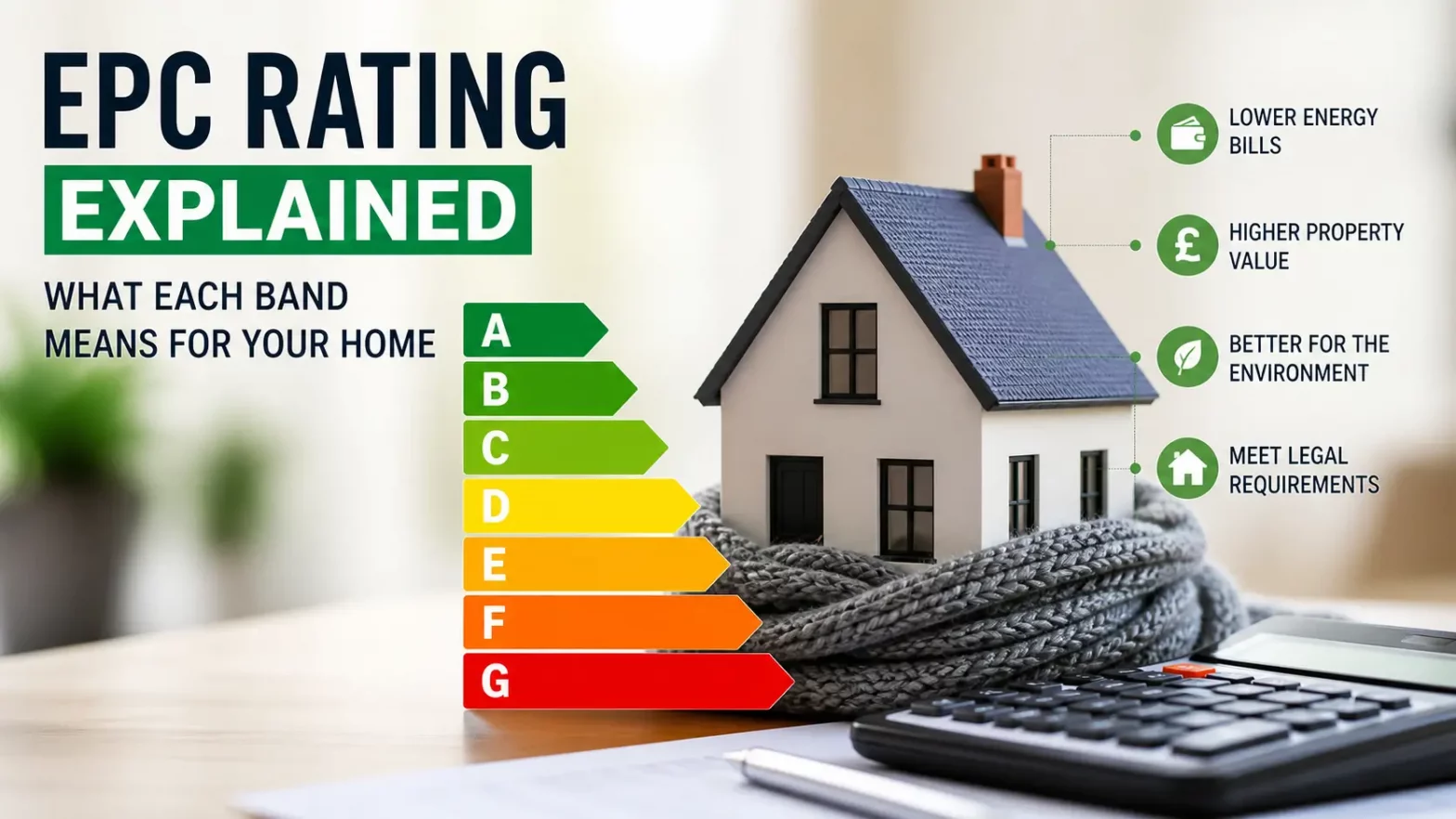
Most UK homes have an EPC rating from A to G. But what those letters actually mean — in terms of cost, value, and legal rules — is often unclear. Your EPC rating affects: How much you pay for energy Whether you can rent your property How attractive your home is to buyers Future upgrade… Continue reading EPC rating explained: what each band means for your home
MEES Regulations for Commercial Property: EPC Rules Landlords Must Know (2026–2030)
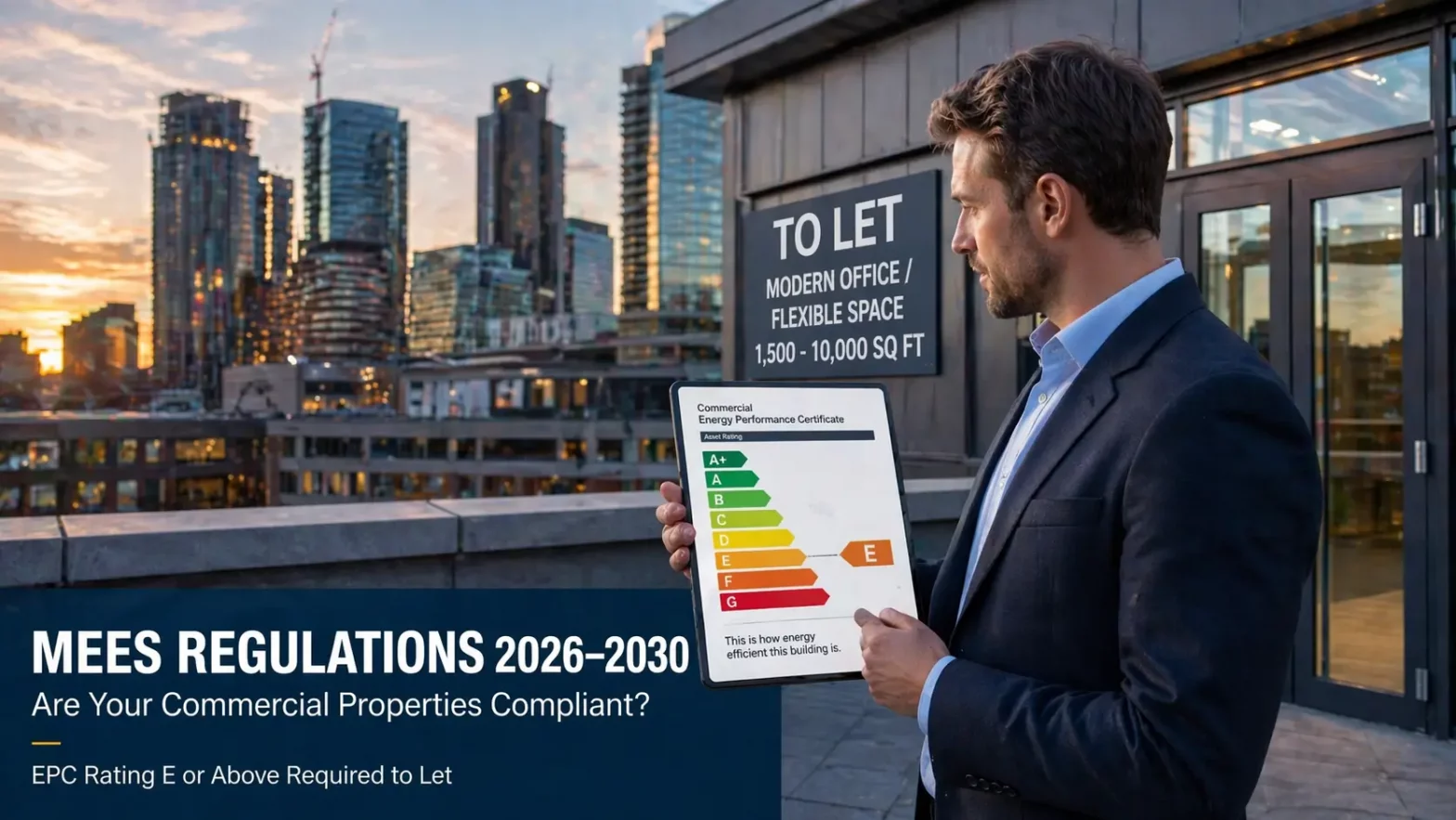
If you own or manage a commercial property in the UK, MEES regulations directly affect whether you can legally rent it. Many landlords only look into MEES when: a tenant is leaving a new lease is being signed a property is being marketed an EPC rating is checked during a transaction At that point, the… Continue reading MEES Regulations for Commercial Property: EPC Rules Landlords Must Know (2026–2030)